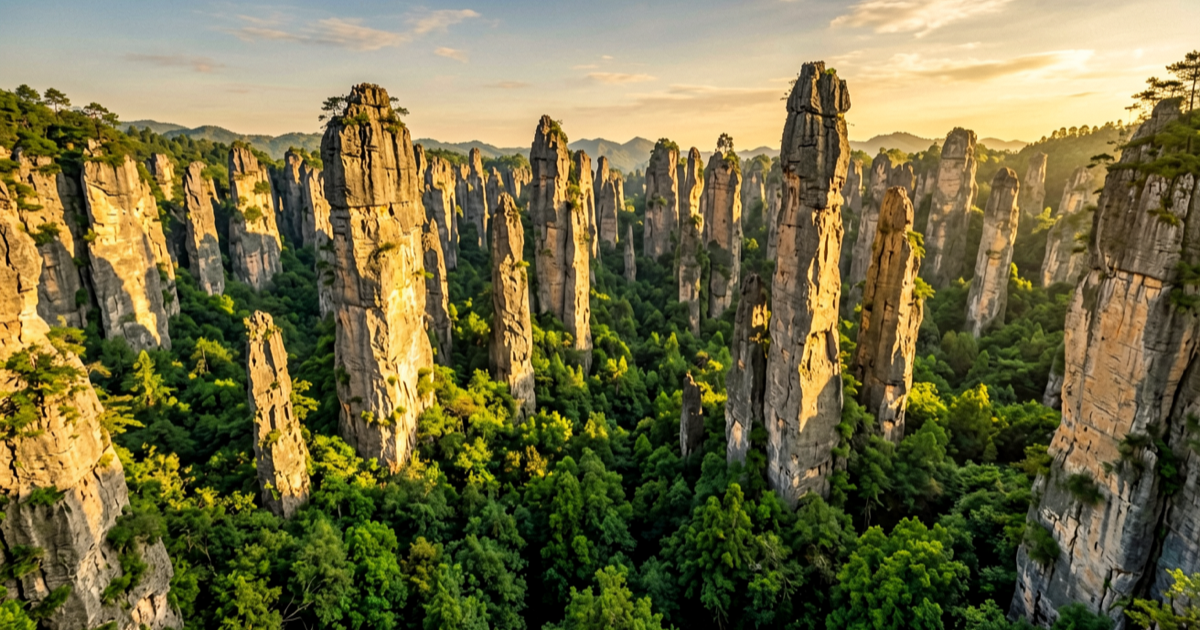
Kunming
Spring City · Stone Forest · Dianchi Lake · Yunnan Gateway
Last updated 22 July 2026 · by the Walk Voyage Editorial Team
Visitor data snapshot
What travelers actually experience in Kunming
Verified visitor numbers, ratings, and ticket prices from a third-party travel platform. Trip.com international edition (HKD pricing), snapshot 2026-07-28 · snapshot 2026-07-28.
3
Bookable attractions
4.65/5
Average rating
1K
Total reviews
0
Free entries
| Top attraction | Rating | Reviews | Ticket (HKD) |
|---|---|---|---|
| Stone Forest Scenic Area | 4.7 | 87 | HK$825.00 |
| Stone Forest + Jiuxiang Day Tour | 4.7 | 87 | HK$825.00 |
| Kunming Western Hills + Dianchi Lake Day Tour | 4.6 | 1,107 | HK$542.00 |
Source: Trip.com international edition (HKD pricing), snapshot 2026-07-28. Prices and review counts shift over time; check the source platform for current booking.
Kunming at a glance
Travel snapshot- Province
- China
- Best season
- Mar-May, Sep-Nov
- Trip length
- 2 days recommended
- Avg budget
- $257 per person
- Top attractions
- 8 featured · 2 rated 4.7+
- Food picks
- 6 signature dishes
- Routes curated
- 3 multi-day itineraries
- Budget
- ¥2986 itemized
About Kunming
Kunming, capital of Yunnan and known as the 'Spring City' for its year-round mild weather, sits at 1,891 m on the Yunnan-Guizhou Plateau and is the gateway for almost every Yunnan itinerary. The city blends the UNESCO-listed Stone Forest karst landscape, the 330 km2 Dianchi highland lake and its wintering black-headed gulls, the Sleeping Beauty-shaped Western Hills and Longmen Grottoes, the 1999 World Horticultural Expo Garden, and the Yunnan Nationalities Village showcasing 25 of China's ethnic-minority cultures. Kunming is also the main transportation hub for Yunnan: Changshui International Airport has direct flights to most of Southeast Asia, and Kunming South Railway Station is the southern end of the Shanghai-Kunming high-speed rail. Most classic Yunnan routes start with 1-2 days in Kunming before heading west to Dali, Lijiang, and Shangri-La.
Best Season
Mar-May, Sep-Nov
Days Recommended
2 Days
Avg Budget
$257
Location
Yunnan, China
Must-See Spots
Top Attractions in Kunming
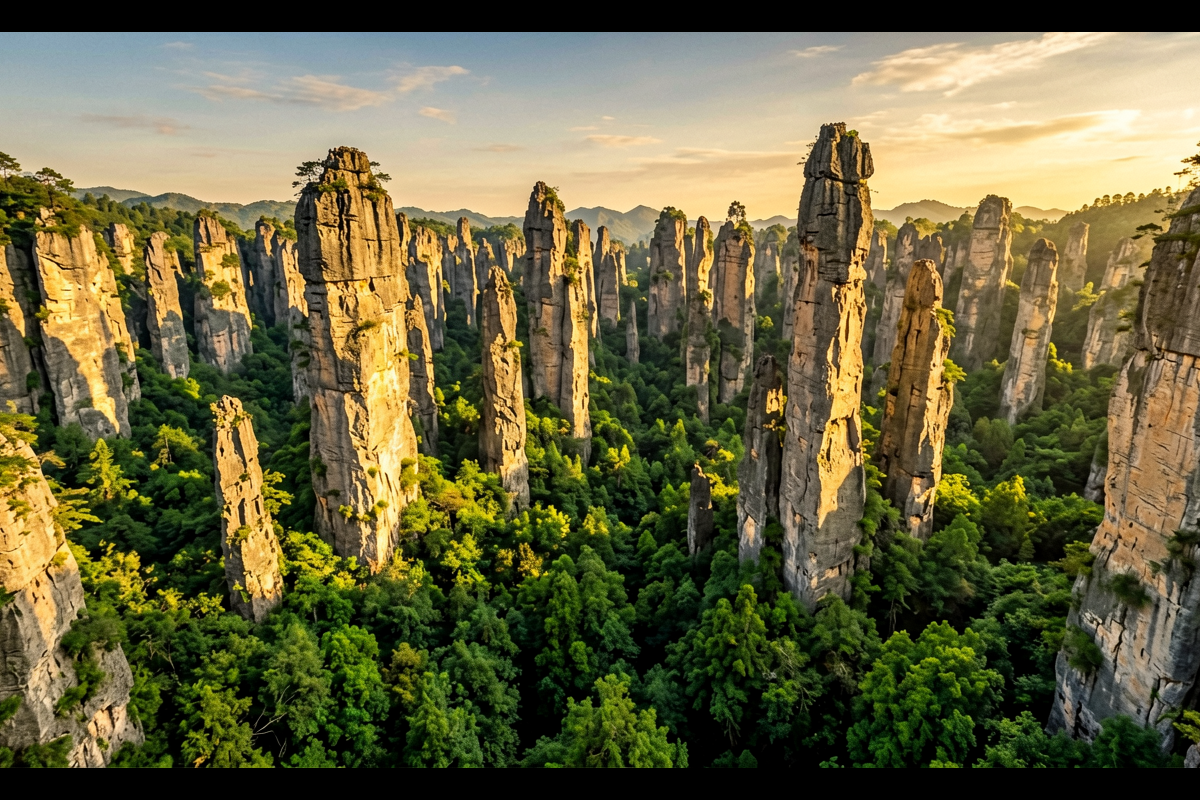
Stone Forest (Shilin)
A 400 km2 karst pinnacle forest 90 km southeast of Kunming, the most-photographed natural site in Yunnan. The Greater Stone Forest, Lesser Stone Forest, Naigu Stone Forest, and Zhiyun Cave together form the UNESCO-listed South China Karst landscape. The Ashima legend is the basis of the Sani people's most famous folk story. Best visited with a guide to learn the Sani folk culture and the Yi Torch Festival.
90-min drive from Kunming, allow 3-4 hours on site. Combine with Jiuxiang Caves (1 hour away) for a full-day trip. Buy online for skip-the-line.
Jiuxiang Karst Caves
A 100+ cave complex 90 km southeast of Kunming, paired with Stone Forest. The Lion Hall is 100 m high, the Curtain Waterfall drops 30 m, and the underground farmland terraces are the most-photographed spots. Glass elevators and a river boat tour make the caves accessible to all ages.
Combine with Stone Forest in a single day. Glass elevator saves the 400-step climb down. Wear non-slip shoes - the cave floor is wet.
Dianchi Lake & Haigeng Dam
Yunnan's largest freshwater lake at 330 km2, paired with the Haigeng Dam gully-watching boardwalk. From November to March, tens of thousands of red-billed black-headed gulls migrate from Siberia - feeding the gulls with bread is a Kunming winter tradition. The 6-km Haigeng boardwalk runs along the western shore with views across to the Western Hills 'Sleeping Beauty' silhouette.
Best Nov-Mar for the gull-watching. Take Metro Line 5 to Haigeng Dam station. The sunset view across the lake to Western Hills is the most-photographed Kunming scene.
Western Hills Forest Park
A 40-km-long mountain ridge west of Dianchi Lake, the silhouette of which is said to resemble a sleeping beauty lying across the lake. The Longmen Grottoes are a 1,000-meter cliff corridor carved during the Qing dynasty, the Huating Temple and Taihua Temple are the two main monasteries on the ridge, and the Nie Er Tomb is the memorial to the composer of the Chinese national anthem.
Take the cable car up (20 RMB) to save the 1-hour climb. Combine with Dianchi Lake for a half-day 'Sleeping Beauty' loop. Best morning for clearer air.
Kunming World Horticultural Expo Garden
The 1999 World Horticultural Exposition site, now a 5A garden and botanical park in the northeastern suburbs. Five themed pavilions and seven outdoor gardens (China, International, Bamboo, Bonsai, Tea, Herbal, and Tree) span 220 hectares. The adjacent Jindian (Golden Temple) - China's largest bronze temple built in 1602 - is included in the same combo ticket.
Half-day visit. Take Metro Line 5 to Expo Garden station. The March camellia festival and October chrysanthemum festival are the peak season.
Yunnan Nationalities Village
A 5A park on the north shore of Dianchi Lake featuring 25 of Yunnan's 26 ethnic-minority groups (Dai, Yi, Bai, Naxi, Hani, Lisu, Lahu, Wa, Jingpo, Bulang, Jinuo, De'ang, Achang, Pumi, Mongol, Hui, Manchu, Shui, Zhuang, Dong, Yao, Miao, Tibetan, Nu, Dulong) in recreated villages with traditional architecture, costumes, music, and dance. Daily cultural performances and the Torch Festival (June 24) and Water Splashing Festival (mid-April) are the most famous events.
Take the sightseeing bus to navigate the 89-hectare park. Combined ticket with the Western Hills cable car saves 30 RMB. Allow 4-5 hours for all 25 villages.
Yuantong Temple
Kunming's oldest Buddhist temple, founded in the Tang dynasty (1,300+ years) and the only temple in China built around a spring. The Yuantong Mountain cherry blossom festival in February-March draws the entire city, and the main hall's 500-Arhat Hall is one of Yunnan's most important Buddhist sites. Located 5 minutes from city center, the easiest temple to add to a Kunming transit day.
Free entry to the cherry blossom park next door during Feb-Mar. Combine with Cuihu Park (next door) and the Kunming city museum for a 3-stop half day.
Dongchuan Red Land
A 200 km2 red-soil photography landscape 250 km north of Kunming, sometimes called 'God's Palette' or 'the Colorful Painting'. The Damakan, Luoxia Gou, Jinxiu Garden, and Qicai Damakan viewpoints each show different palette - red earth, green barley, white potato flowers, and golden wheat. Best Sept-December for the most vivid red. The shoot of a lifetime for landscape photographers.
4-5 hours drive from Kunming each way - either day trip with private driver or overnight at the village. Sunrise at Damakan and sunset at Luoxia Gou are the two magic hours. Bring layers - 1,800-2,600 m altitude.
Local Flavors
What to Eat in Kunming
Crossing-the-Bridge Noodles (Guo Qiao Mi Xian)
Yunnan's most famous dish - a bowl of piping-hot chicken broth, a side plate of rice noodles, raw pork slices, quail eggs, and vegetables, all assembled at the table so the hot broth cooks the meat instantly. The legend traces to a devoted wife who crossed a bridge to bring her studying husband a hot meal. Found at every Kunming restaurant, the best version is at the original Qiaotong Xiang.
Recommended: Qiaotong Xiang (桥香园) or Jianxiyuan (建新园)
Steam-Pot Chicken (Qi Guo Ji)
A Jianshui-Yunnan specialty - a whole young chicken, ginger, salt, and herbs steamed in a hollow ceramic steam-pot (qi guo) for 3-4 hours. The result is a clear, golden, mineral-rich broth that needs no seasoning. The famous Jianshui steam-pot chicken can be found in Jianshui Old Town 200 km south of Kunming or in the Jianshui restaurants of Kunming.
Recommended: Jianshui Zhengxuan Steam-Pot Chicken Restaurant (建水郑宣蒸菜)
Wild Mushroom Hotpot (Ye Sheng Jun Huo Guo)
A Kunming summer tradition (June-September) - fresh-picked wild mushrooms (Boletus, Termitomyces, matsutake, porcini) simmered in a chicken broth. The Yunnan plateau's unique terroir produces 36% of China's wild mushrooms, and the 5-month mushroom season is celebrated at the annual Wild Mushroom Festival. The dish is best paired with a clay pot, a timer, and a strict '15-minute must cook' rule to avoid the toxic varieties.
Recommended: Any restaurant in the Cuihu Park or Yunnan Nationalities Village area in mushroom season
Ersi (饵丝) Rice Noodles
A Yunnan rice-noodle specialty, made from pressed-rice flour cut into thick 1-mm strips. Served in broth with meat, pickles, and chili oil. The Dali-style and Tengchong-style are different (saucier and softer vs. drier with chili and pork), and the Kunming version is generally thinner and more brothy. The classic Kunming breakfast.
Recommended: Yuan Xi Ersi Noodles (源溪饵丝) in old Kunming, or any street vendor near the university district
Xuanwei Ham (Xuan Wei Huo Tui)
One of China's three most-famous hams (along with Jinhua and Rugao), made in Yunnan's Xuanwei city using a 250-year-old process. Salt-cured, sun-dried, and aged for 18-36 months, the deep-red ham is sliced and steamed, fried with eggs, or used as a flavor base for soups. Pairs beautifully with the Crossing-the-Bridge Noodles broth.
Recommended: Xuanwei Ham Specialty Stores on Nanqiang Street, or any Cantonese-Yunnan fusion restaurant
Fresh Flower Cakes (Xian Hua Bing)
A Yunnan pastry innovation from the 1900s - flaky layered pastry filled with fresh rose-petal jam (typically the edible Damask rose from Panxi, Yunnan). The cakes are best eaten warm, when the rose jam is still soft and aromatic. Available year-round in Kunming bakeries, with the rose-picking season May-July producing the best version. Yunnan's most popular take-home souvenir.
Recommended: Jiahua Flower Cake (嘉华饼屋) - the most famous brand, multiple Kunming branches
Curated Itineraries
Suggested Routes in Kunming
Kunming Stone Forest 1-Day Trip
A 1-day trip from Kunming covering the UNESCO Stone Forest and the Jiuxiang Karst Caves. Best year-round except during the July-August rainy season when the karst paths are slippery.
Kunming Dianchi & Western Hills 2-Day Trip
A 2-day Kunming city trip covering the Dianchi Lake gully-watching, the Western Hills Sleeping Beauty ridge, the Yuantong Temple, and the 1999 World Horticultural Expo Garden. Best November-March for the red-billed gulls.
Kunming-Dali-Lijiang-Shangri-La 7-Day Grand Loop
A 7-day classic Yunnan route - 2 days in Kunming, 2 days in Dali, 2 days in Lijiang, and 1 day in Shangri-La. The most popular first-time Yunnan itinerary.
Trip Planning
Travel Budget for Kunming
Transport
Dining
Attractions
Accommodation
Total estimated budget: $257 per person
Actual costs vary by travel style, season, and booking choices.
Common Questions
Kunming Travel FAQ
What is the best time to visit Kunming?
Mar-May, Sep-Nov is generally the best season, with comfortable weather for sightseeing and outdoor activities.
How many days are recommended for Kunming?
2 days is a practical baseline for first-time visitors covering major highlights.
What is a typical travel budget in Kunming?
A common reference is around $257 per person, depending on hotel level, transport, and attraction choices.
Is Kunming suitable for family travel?
Yes. Kunming has diverse attractions, flexible route options, and accommodation levels suitable for family trips.
More Walk Voyage
Explore Other China Cities
Continue your journey through China with our other curated city guides — pandas, hot pot, karst landscapes, classical gardens, and more.
Sichuan
Chengdu / 成都
Pandas, teahouses, Sichuan hot pot, and slow urban living in the Land of Abundance.
Explore Chengdu →
Chongqing
Chongqing / 重庆
A dramatic mountain city of hot pot, rivers, night views, and layered urban streets.
Explore Chongqing →
Jiangsu
Suzhou / 苏州
Classical gardens, canal streets, silk culture, and quiet Jiangnan elegance.
Explore Suzhou →
Hunan
Changsha / 长沙
Bold street food, riverside nightlife, museums, and youthful city energy.
Explore Changsha →
Zhejiang
Shaoxing / 绍兴
Lu Xun's hometown, ancient calligraphy capital, and home of China's iconic yellow wine.
Explore Shaoxing →
Jiangxi
Jiujiang / 九江
Yangtze-side gateway to UNESCO Mount Lu, Poyang Lake wetlands, and one of China's most atmospheric old riverfronts.
Explore Jiujiang →
Shandong
Qingdao / 青岛
Red-tile harbor city on the Jiaodong Peninsula, home of Tsingtao beer, the holy Taoist mountain of Laoshan, and a 19th-century German concession old town.
Explore Qingdao →
Hebei
Zhangjiakou / 张家口
Historic gateway between the North China plain and the Mongolian steppe, 2022 Winter Olympics co-host, and starting point of the famous Grassland Sky Road drive.
Explore Zhangjiakou →
Fujian
Xiamen / 厦门
Walkable island city on the Taiwan Strait, paired with the UNESCO World Heritage piano island of Gulangyu, Minnan street food, and the 1,300-year Quanzhou West Street.
Explore Xiamen →
Heilongjiang
Harbin / 哈尔滨
19th-century Russian-built city on the Songhua River, home of the world-famous Ice and Snow Festival, Central Avenue, Saint Sophia Cathedral, and the Siberian Tiger Forest Park.
Explore Harbin →
Liaoning
Dalian / 大连
Harbor city on the southern tip of the Liaodong Peninsula, home of Jinshitan Golden Pebble Beach, Laohutan Ocean Park, the 32-km Binhai Road, and Bohai seafood.
Explore Dalian →
Sichuan
Aba (Tibetan & Qiang) / 阿坝
Western Sichuan highland prefecture, home of UNESCO Jiuzhaigou and Huanglong, Mount Siguniang, the Ruoergai grasslands, and the rich Qiang and Tibetan ethnic cultures.
Explore Aba (Tibetan & Qiang) →
Guangdong
Zhuhai / 珠海
A relaxed coastal city for islands, seafood, family attractions, and sea views.
Explore Zhuhai →
Guangdong
Shenzhen / 深圳
China's tech-capital megalopolis with the OCT theme park cluster, the 599m Ping An Finance Center, and Greater Bay Area coastal escapes.
Explore Shenzhen →
Hebei
Qinhuangdao / 秦皇岛
Seaside escapes, the Great Wall by the sea, beaches, and northern coastal scenery.
Explore Qinhuangdao →
Guangxi
Guilin / 桂林
World-famous karst landscapes along the Li River, ancient Yangshuo streets, terraced rice fields, and timeless Guangxi scenery.
Explore Guilin →
Yunnan
Dali / 大理
The Bai minority old capital between the 4,122 m Cangshan Mountain and the 250 km2 Erhai Lake, the mid-point of the classic Yunnan route.
Explore Dali →
Yunnan
Lijiang / 丽江
The UNESCO 800-year-old Naxi old town at 2,400 m, the gateway to the 5,596 m Yulong Snow Mountain, the Tiger Leaping Gorge, and the Mosuo Lugu Lake.
Explore Lijiang →